


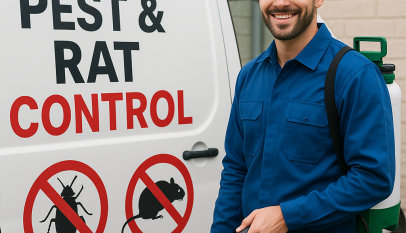
Pest control is a critical service for maintaining a healthy and comfortable living environment. Residents of New Westminster can rely on professional pest control service providers to effectively manage and eliminate unwanted pests. These services not only address infestations but also offer preventative measures to safeguard homes and businesses.
Choosing the right pest control service involves understanding the range of treatments available and the expertise of the providers. Experienced companies in New Westminster utilize safe and effective methods tailored to specific pest challenges. This approach ensures that customers receive comprehensive solutions designed for lasting results.
With the right pest control provider, individuals can enjoy peace of mind knowing their property is protected from common pests such as rodents, insects, and termites. Investing in professional pest management is essential for maintaining property value and ensuring a healthy living space.
Choosing a Pest Control Service Provider
Selecting the right pest control service provider New Westminster is crucial for effective pest management. Key considerations include understanding the specific types of pests and services offered, evaluating the provider’s qualifications and experience, and comparing pricing along with the value of services.
Understanding Pest Types and Services Offered
Before selecting a pest control service, it’s essential to identify the types of pests affecting a property. Common pests include:
- Rodents: Mice and rats can cause property damage and health risks.
- Insects: Termites, ants, bed bugs, and cockroaches may invade living spaces.
- Wildlife: Raccoons and squirrels often enter homes, causing disturbances.
Each pest type requires specific treatment methods. A knowledgeable provider should offer tailored services, including inspection, prevention, and elimination strategies suitable for the identified pests. Clients should ask potential providers about the methodologies used, such as chemical applications, traps, or eco-friendly options.
Assessing Professional Qualifications and Experience
Credentials are paramount in the pest control industry. A reputable service provider should have proper licenses, certifications, and insurance. Key qualifications include:
- Licensing: Ensures compliance with state regulations and safety standards.
- Certifications: Verifies expertise in pest management practices.
- Experience: A track record of successful pest control jobs enhances reliability.
Clients should inquire about the provider’s experience with specific pest issues. Testimonials and reviews can provide insight into the effectiveness and professionalism of the service provider, helping customers make an informed choice.
Comparing Pricing and Value for Services
Pricing can vary significantly among pest control providers. It’s vital for clients to not only consider cost but also the value offered. Factors influencing pricing include:
- Type of Pest: Some pests require more intensive treatments than others.
- Service Guarantee: Providers offering warranties may justify higher costs.
- Frequency of Service: Regular maintenance contracts can be more economical over time.
Clients should obtain detailed estimates from multiple service providers. This breakdown should outline specific services included, frequency of visits, and any additional fees. Making informed comparisons can reveal the best value for pest control needs.
Effective Pest Management Strategies
Effective pest management focuses on long-term solutions that prevent infestations and ensure the safety of homes and businesses. This involves a mix of preventative measures, safe extermination techniques, and diligent post-service practices.
Implementing Preventative Measures
Preventative measures are the first line of defense against pests. Maintaining cleanliness is crucial; regular vacuuming and reducing food waste can eliminate attractants.
Sealing cracks and gaps in walls, windows, and doors prevents entry. Using screens on windows and vents enhances protection. Landscaping should also be considered; keeping vegetation trimmed and away from the building reduces hiding spots.
Checklist for Preventative Measures:
- Seal entry points
- Maintain clean environments
- Trim vegetation near structures
These steps create an unwelcoming environment for pests, significantly reducing their chances of becoming a problem.
Techniques for Safe and Eco-Friendly Extermination
When pest issues arise, choosing safe and eco-friendly extermination methods is vital. Integrated Pest Management (IPM) is a comprehensive approach that combines various techniques. This may include biological control, such as introducing natural predators.
Non-toxic sprays and traps are also effective.
Examples of Eco-Friendly Extermination Techniques:
- Diatomaceous earth for insects
- Essential oil sprays for repellents
- Humane traps for rodents
Using these methods minimizes environmental impact while effectively addressing pest problems.
Post-service Monitoring and Maintenance
After pest control service, regular monitoring is essential to ensure pests do not return. Homeowners should conduct periodic inspections for signs of pest activity, such as droppings or damage.
Maintaining a schedule for follow-up treatments can enhance effectiveness.
Key practices include:
- Monthly inspections for signs of pests
- Regular communication with pest control providers
- Ongoing sanitation efforts
These measures help sustain a pest-free environment, ensuring long-term efficiency of the initial treatments.

British Virgin Islands Offshore Company Benefits and Setup Guide
The British Virgin Islands (BVI) is a leading jurisdiction for offshore company formation,…





Autism Help Adults: Effective Strategies for Support and Independence
Navigating adulthood with autism can present unique challenges, but there are numerous resources and …